


Are you tired of manually tracking employee hours? Fed up with the hassle of paper timesheets and the sneaky problem of buddy punching? What if there was a way to make your attendance tracking virtually foolproof while saving your business time and money?
If these questions resonate with you, you’re not alone. Businesses across Australia are increasingly turning to biometric time clock systems to streamline their workforce management. These clever devices use unique physical characteristics—like fingerprints or facial features—to verify employee identity, making time theft nearly impossible.
In this guide, we’ll walk you through everything you need to know about implementing a biometric time clock in your workplace. From understanding how the technology works to navigating Australian privacy laws, choosing the right system, and getting your team on board, we’ve got you covered. By the end, you’ll have a clear roadmap for making the switch to smarter, more accurate time tracking. Let’s get stuck into it.
What Is a Biometric Time Clock and How Does It Work?
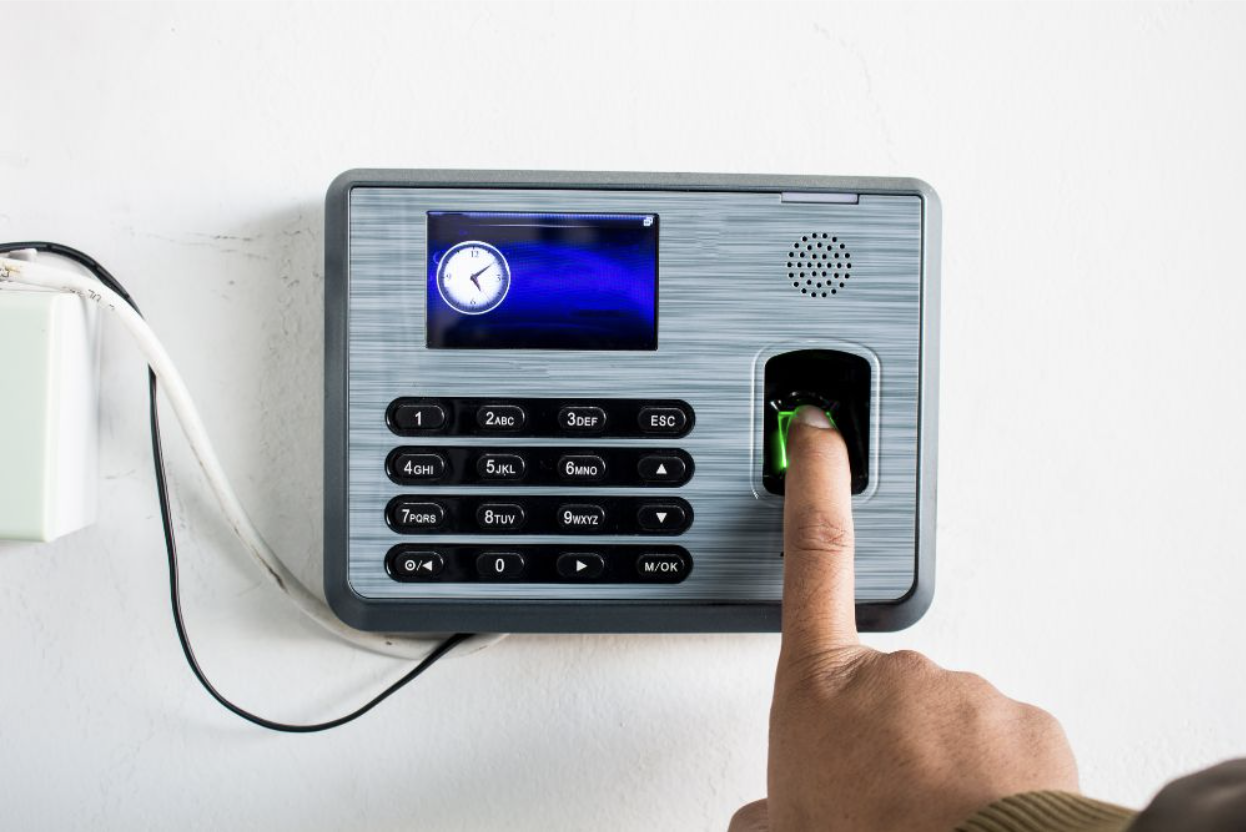
A biometric time clock is a device that identifies employees using their unique biological traits rather than traditional methods like swipe cards or PIN codes. Think of it as a high-tech bouncer that only lets the right person clock in.
Types of Biometric Time Clock Systems
The most common types include fingerprint scanners, facial recognition systems, and iris scanners. Fingerprint readers are the most widely used due to their affordability and reliability. Facial recognition has become increasingly popular, especially post-pandemic, as it offers a touchless option. Iris scanning, while highly accurate, tends to be pricier and is typically reserved for high-security environments.
How Biometric Data Is Captured and Stored
When an employee first registers, the system captures their biometric data and converts it into a unique digital template. This template is then stored securely—either on the device itself or in the cloud. Each time the employee clocks in, the system compares their live scan against the stored template to verify their identity. The actual biometric image isn’t stored; only the encrypted template is kept, which adds an extra layer of security.
Why Should Your Business Switch to a Biometric Time Clock?
Making the switch to biometric time tracking offers several compelling benefits that can transform how you manage your workforce.
Eliminating Buddy Punching and Time Theft
Buddy punching—where one employee clocks in for another—costs Australian businesses thousands of dollars annually. With biometric verification, this simply can’t happen. Each person’s fingerprint or face is unique, so employees can only clock in for themselves. This alone can lead to significant cost savings.
Improving Payroll Accuracy and Reducing Administrative Burden
Manual time tracking is prone to errors and takes up valuable admin time. A biometric system automates the process, capturing exact clock-in and clock-out times. This means fewer payroll mistakes, less time spent on corrections, and happier employees who get paid accurately every time.
Enhancing Workplace Security and Accountability
Beyond time tracking, biometric systems can double as access control, ensuring only authorised personnel enter certain areas. Plus, having a precise record of who was on-site and when creates greater accountability across your team.
Is a Biometric Time Clock Right for Your Business?
Before investing, it’s worth considering whether this technology suits your specific situation.
Industries That Benefit Most
Manufacturing, healthcare, hospitality, retail, and construction are among the industries seeing the biggest benefits. Any business dealing with shift work, multiple locations, or large workforces will likely find biometric time clocks particularly valuable. However, even small businesses with a handful of employees can benefit from improved accuracy and reduced admin time.
Assessing Your Current Challenges
Take a moment to evaluate your existing time and attendance pain points. Are you losing money to time theft? Spending hours reconciling timesheets? Struggling with compliance? If you answered yes to any of these, a biometric system could be the solution you need.
How Much Does a Biometric Time Clock System Cost?
Understanding the financial investment is crucial for making an informed decision.
Upfront Costs vs Long-Term Savings
Initial costs vary widely depending on the type of system and features you choose. Basic fingerprint scanners can start from a few hundred dollars, while advanced facial recognition systems may cost more. However, when you factor in reduced time theft, fewer payroll errors, and saved admin hours, most businesses see a positive return on investment within the first year.
What to Look for When Comparing Prices
Don’t just focus on the sticker price. Consider ongoing subscription fees, maintenance costs, software updates, and customer support. A slightly more expensive system with better support and integration capabilities often proves more cost-effective in the long run.
Are Biometric Time Clocks Legal in Australia?
This is a question many Australian business owners ask, and rightfully so.
Understanding Privacy Laws and Employee Consent
Yes, biometric time clocks are legal in Australia, but you must comply with privacy legislation. Under the Privacy Act 1988 and various state laws, biometric data is classified as sensitive information. You need to obtain explicit consent from employees before collecting their biometric data and clearly explain how it will be used and stored.
Staying Compliant With Workplace Regulations
Develop a clear privacy policy outlining your biometric data practices. Make sure employees understand their rights and have the option to raise concerns. Keep records of consent and ensure your chosen system meets Australian data security standards. When in doubt, consult with a legal professional to ensure full compliance.
Step-by-Step Guide: How to Implement a Biometric Time Clock System
Ready to make the switch? Here’s your practical roadmap.
Step One: Evaluate Your Business Needs
Start by identifying your specific requirements. How many employees do you have? Do you need multiple devices across different locations? What features matter most—touchless scanning, mobile access, or specific software integrations?
Step Two: Select a Reliable Provider
Research providers thoroughly. Look for companies with a strong track record in Australia, positive customer reviews, and responsive support teams. Don’t hesitate to request demos and ask plenty of questions.
Step Three: Plan Installation and Integration
Work with your provider to schedule installation during a low-disruption period. Make sure the system integrates smoothly with your existing payroll and HR software to maximise efficiency.
Step Four: Communicate With Your Team
Transparency is key. Explain why you’re making the change, address privacy concerns upfront, and highlight the benefits for employees—like accurate pay and faster clock-ins.
Step Five: Train Your Employees
Provide hands-on training sessions so everyone feels comfortable using the new system. Create simple guides or quick-reference materials for ongoing support.
Step Six: Launch, Monitor, and Optimise
Go live and monitor the system closely during the first few weeks. Gather feedback, troubleshoot any issues promptly, and make adjustments as needed to optimise performance.
Common Mistakes to Avoid
Steer clear of these pitfalls to ensure a smooth implementation.
Rushing the rollout without proper planning can lead to technical hiccups and frustrated employees. Neglecting training leaves staff confused and resistant to change. Choosing a system that doesn’t scale with your workforce size can create headaches down the track. Take your time, plan thoroughly, and involve your team throughout the process.
Measuring Success After Implementation
Once your biometric time clock is up and running, track key metrics like payroll accuracy, time theft reduction, and admin hours saved. Gather employee feedback regularly and be prepared to make tweaks. A successful implementation isn’t just about the launch—it’s about ongoing improvement.
Taking the Next Step Towards Smarter Time Tracking
Implementing a biometric time clock system might seem like a big undertaking, but the benefits far outweigh the initial effort. From eliminating buddy punching and improving payroll accuracy to enhancing security and compliance, this technology offers a genuine competitive advantage for Australian businesses.
The key to success lies in careful planning, choosing the right provider, and bringing your team along on the journey. Address concerns openly, provide thorough training, and monitor your results to ensure you’re getting the most from your investment.
So, are you ready to say goodbye to outdated timesheets and hello to streamlined, accurate time tracking? Your future self—and your payroll team—will thank you for it.